
Building Great Products: Unlocking Value Through Industrial Design
How thoughtful design bridges the gap between creative concepts and market-ready products.
I’m frequently asked to explain my industrial design process, demonstrate my approach to design challenges, and define the specific expertise I bring to a project. Clients and collaborators usually ask three core questions:
Where do you fit into the development cycle?
What value do you actually add?
Which part of the process do you enjoy the most?
Having worked across various design consultancies over the years, I’ve seen everything from the practical to the peculiar. Every product challenge comes with its own unique complexities, and no two projects are ever identical.
What fuels my passion for industrial design is witnessing the evolution of abstract concepts into tangible products that meet genuine user needs and memorable experiences.
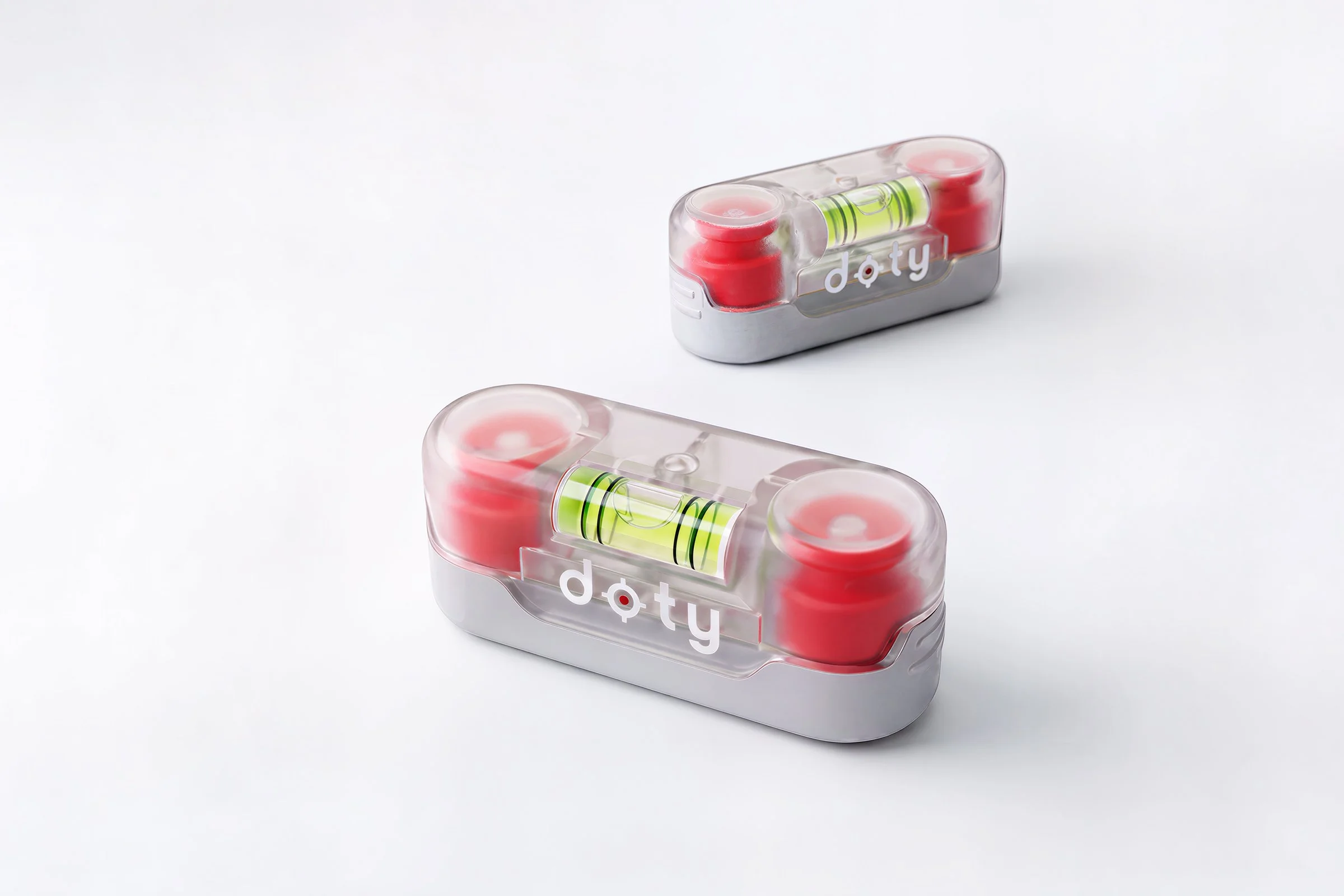
1. Where Do I Fit In?
Some projects demand heavy front-end conceptual thinking, while others are tightly constrained by existing engineering hardware or strict manufacturing processes. Every task requires a tailored strategy.
Because I’ve navigated both extremes, I bridge the gap between front-end creative vision and practical engineering:
Creative Vision: Generating fresh, human-centered form factors and user experiences.
Production Reality: Grounding every aesthetic choice in manufacturing feasibility, material constraints, and assembly logic.
This balanced approach ensures that concepts aren't just visually compelling on screen, but genuinely viable when it comes time to produce them.
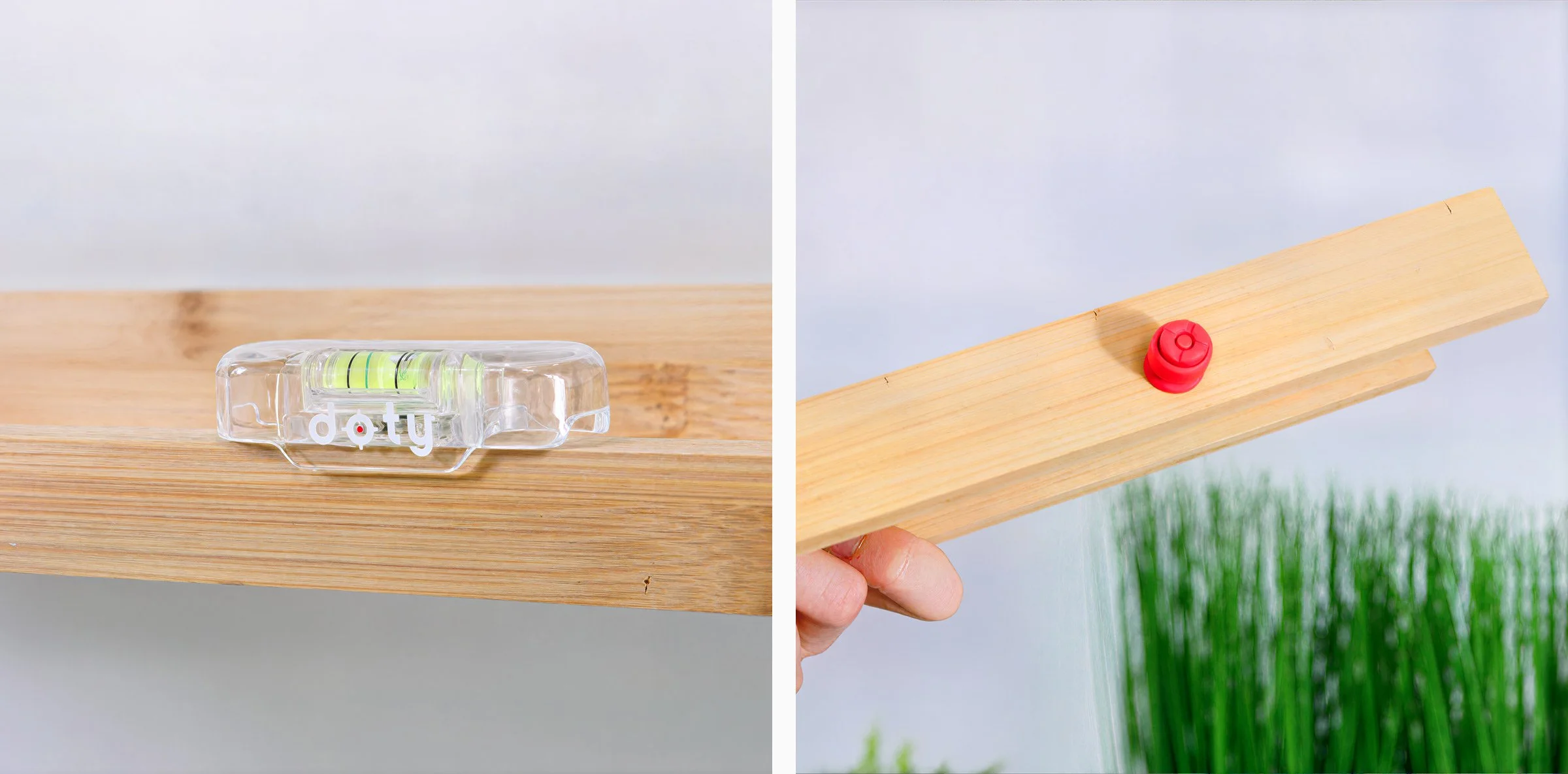
2. What Value Do I Add?
Designing a product that looks good and can be manufactured is just the baseline entry into the market. Real value comes from creating desirability and distinction.
I approach every brief with an analytical mindset, questioning why a product should take a certain form and exploring where we can unlock extra value:
Aligning Form with USP: I integrate style, ergonomics, and material feel directly with the product’s Unique Selling Proposition (USP).
Elevating Brand Perception: By exploring alternative design directions early on, we uncover opportunities to make the product stand out in a crowded market.
User-Centric Differentiation: Ensuring the finished object resonates emotionally with the end user while remaining intuitive to use.
3. Which Part of the Process Do I Enjoy the Most?
Without question, it’s the initial exploration stage.
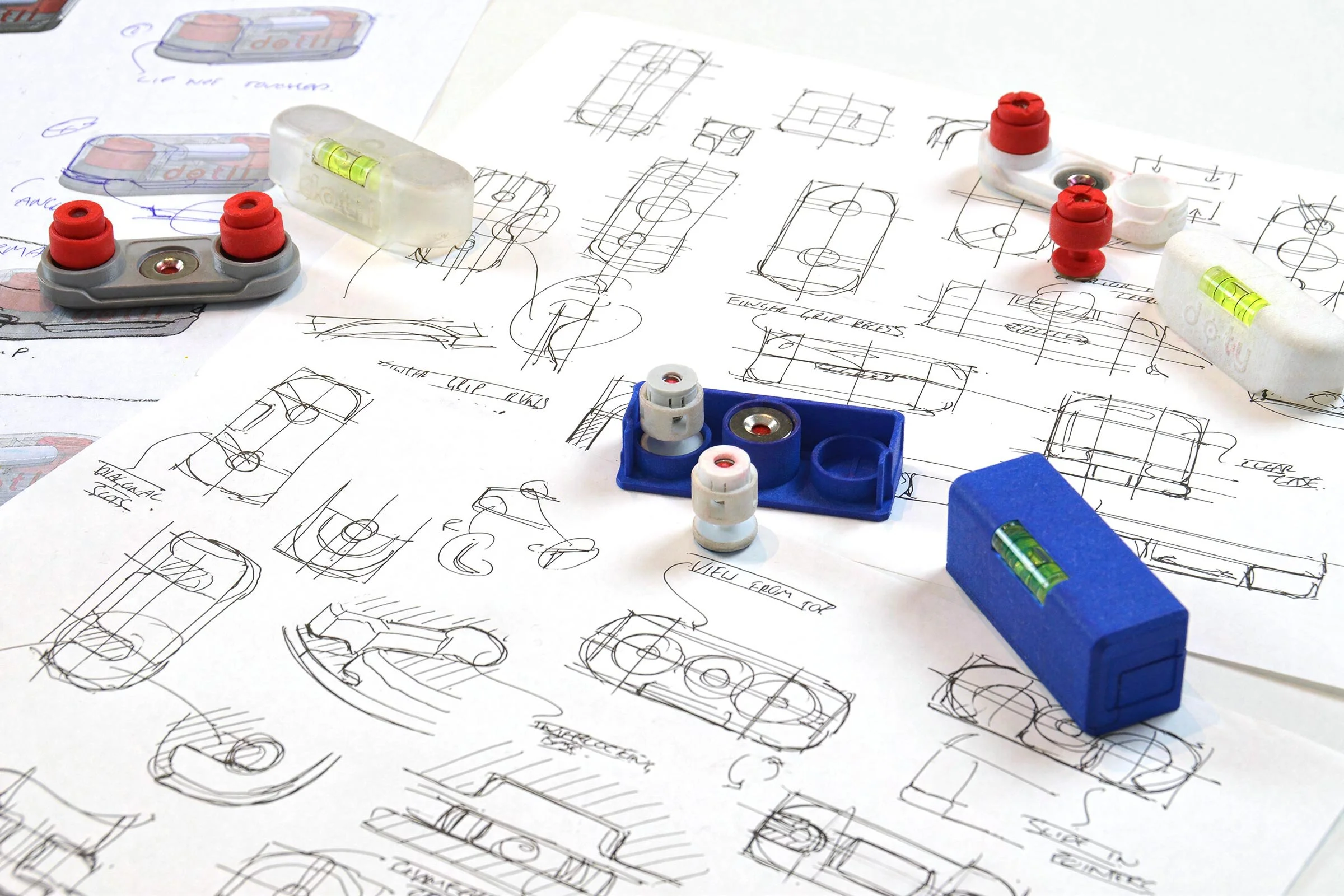
This phase is all about getting as many ideas out of my head and onto paper as quickly and efficiently as possible. It starts with rough pen-and-paper sketches or digital tablet drawings, full of quick lines, dynamic forms, and key annotations pointing to functional details.
While these early sketches aren't polished presentation pieces, they serve a vital purpose:
Focusing on Idea Quality: Uncovering the strongest conceptual directions before committing to detailed 3D CAD.
Rapid Communication: Clearly explaining the rationale, mechanics, and potential behind each design decision.
Extracting raw potential and defining the core trajectory of a product is easily the most exciting part of the design journey.
Ready to Bring Your Product Idea to Life?
Whether you're starting with a blank sheet of paper or looking to refine an existing hardware design for production, getting the industrial design foundation right makes all the difference.
If you have a design project you’d like to discuss, get in touch – let's talk design!
