
Visualise Your Product Before Production
Sell your idea before a single part is manufactured.
Selling a design concept can be tricky, especially when stakeholders struggle to visualise the final outcome. Photo-realistic renders offer a highly cost-effective, high-impact solution. By generating studio-quality visual assets directly from 3D CAD data, you eliminate the immediate need for expensive prototypes, studio photography, and staging.
Creating compelling visuals allows us to capture the exact design intent, showcase key features, and present the vision in the clearest possible way, all while retaining total flexibility to accommodate design tweaks along the way.
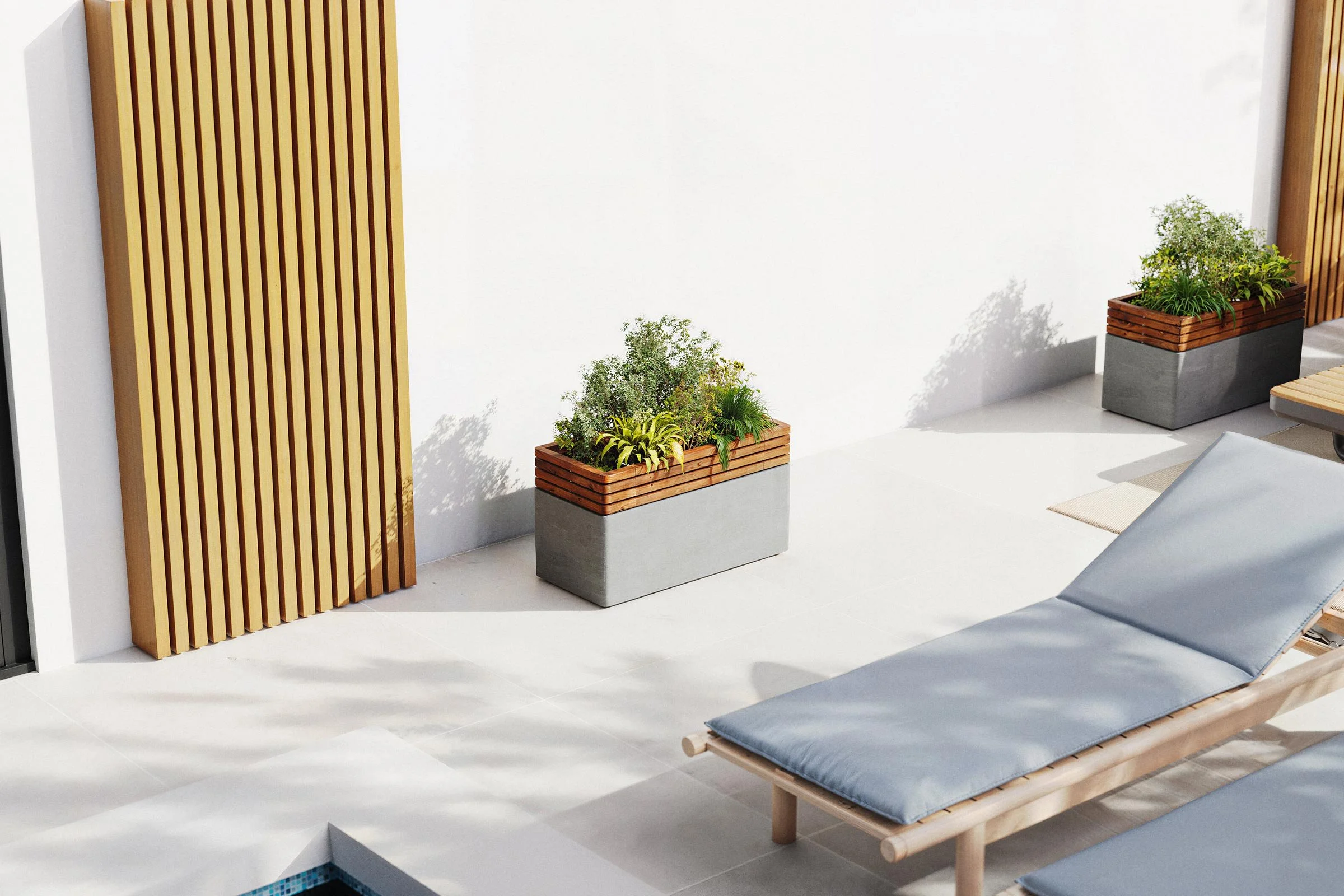
1. Designing for the Audience & Purpose
Throughout my career, I’ve created renders for every stage of product development. The biggest lesson I’ve learned is that understanding the visual’s ultimate goal is crucial to its success. What an investor wants to see is often vastly different from what an end consumer or retail buyer responds to:
Investors & Stakeholders: Need clarity on mechanical elegance, material quality, and core functionality.
Buyers & Consumers: Respond to emotion, lifestyle context, and the "wow factor."
Knowing what the person on the other side of the table cares about ensures your visuals do the heavy lifting in convincing them that your product proposition is the right way forward.

2. Storytelling Over Static Imagery
Instead of just producing pretty pictures, I always aim to build a narrative around the product. A visual storytelling approach leads to significantly higher engagement and creates natural anchors to discuss:
The Core USP: Highlighting the primary differentiator of the product.
Key Design Features: Showing how components fit, move, or interact.
User Context: Demonstrating how the product lives and functions in its intended environment.
Storytelling allows us to create powerful marketing and pitch materials for products that don't physically exist yet.
3. Checklist: What to Know Before Requesting Visuals
To get the absolute best results from a rendering project and ensure seamless collaboration with a design freelancer, it helps to address a few key questions early on:
Where will the visuals be used?
Style, composition, and resolution depend heavily on placement. A high-impact hero banner for a website requires a totally different approach than an exploded-view technical render meant for investor feedback.What is the state of your 3D CAD data?
The quality of the final render is tied directly to the quality of the underlying CAD model. If your data is incomplete or low-fidelity, a good designer can review your files and advise on the necessary cleanup steps before rendering.Do you have reference material?
Mood boards and visual references accelerate the creative process. Gather examples of lighting, compositions, material finishes, or real-world scenes that reflect the tone you're aiming for.Are there specific features or internal mechanics to highlight?
Renderings allow you to show things impossible to capture with traditional photography. Decide early if you need cutaway section views, internal component fly-throughs, or extreme macro close-ups.
Need Help Bringing Your Vision to Life?
Whether you need pitch-ready visuals for investors or marketing assets prior to production, photo-realistic rendering is one of the most effective tools in the product development pipeline.
If you have a concept you'd like to bring to life, feel free to get in touch to discuss your project!
