My Journey & AI Integration: Insights from University Lectures
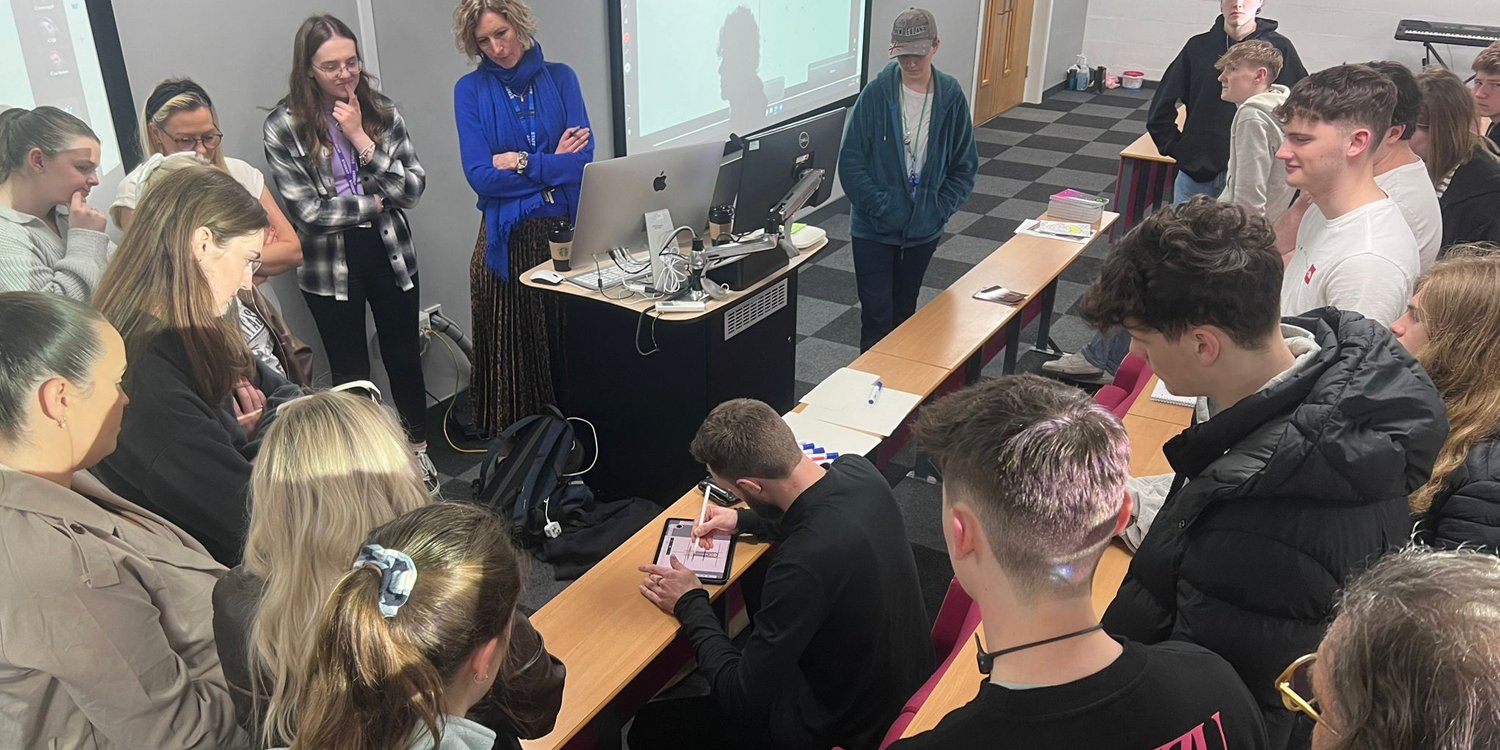
Earlier this year, I had the privilege of visiting Chester and Manchester Metropolitan University to deliver talks, presentations, and live demonstrations. While I’ve given design talks before, this experience felt particularly significant.
In addition to sharing my recent experiences with AI tools in design, I had the opportunity to discuss my own career journey into full-time freelance Industrial Design. It was a valuable moment to reflect on the steps taken, the lessons learned, and what I'd do differently if I were a student again.
Each day was structured into two key sessions:
Session 1:
This session covered my career trajectory so far, highlighting key experiences and learnings. I shared strategies and steps that have positively influenced my design journey, alongside mistakes I'd avoid if I were starting out today.
Key Takeaways for Aspiring Designers:
Structure Your Time – Build a Plan:
Define your aspirations or identify an industry area of interest, then plan progressive steps to get there.Your Portfolio is Your Best Advertisement:
This is typically the first thing prospective employers see. Strike a strong first impression by understanding your strongest skills and playing to them. Competition is high, so communicate your strengths clearly. Use portfolio building to identify and develop weaker areas in the background.Stop Thinking, Start Doing:
Overthinking and procrastination can create a vicious cycle with little benefit. If something is new or unfamiliar, you likely won't get it right the first time. The quicker you start, the closer you'll be to the next step.Be Resilient:
Understand and accept that setbacks are inevitable. Try not to let negative outcomes halt your progress moving forward.
Session 2: AI in Traditional Industrial Design
This session focused on best practices for integrating AI into a traditional Industrial Design workflow, building on themes from my earlier AI integration blog post. I showcased the benefits of these new tools while also discussing their drawbacks and outlining use cases where AI might not be effective, explaining the reasoning behind it.
Key Takeaways on AI Integration:
Understand Good Use Cases vs. Poor Use Cases:
Encourage students to consider the tools’ impact on their process—whether positive or negative.Know When to Use AI, and When Not To:
The idea that "just because you can, doesn't mean you should" applies here. AI can waste time just as effectively as it saves it.Use AI as a Design Assistant:
Leverage these tools to handle some of the heavy lifting in the design process, freeing up time for more critical thinking and ideation.Manage Unpredictable Results:
Find the sweet spot for AI influence, as results can sometimes be unpredictable.
A Grateful Reflection
Lastly, a big thank you to Chester and Manchester Metropolitan University. It was a pleasure to deliver these sessions, and it’s always inspiring and encouraging to see emerging design talent. It was lovely meeting the students, sharing thoughts, answering questions, and discussing their final major projects.